
Temp-to-Hire vs. Direct Hire: Making the Right Staffing Choice for Your Business
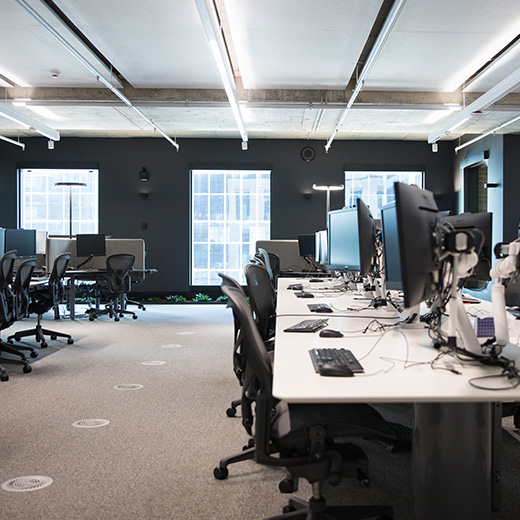
Hiring the right talent can make or break your business. Whether you’re a growing startup navigating uncertainty or an established corporation expanding into new markets, choosing between temp-to-hire and direct hire staffing models is a pivotal decision. Both have their strengths and potential challenges, and the right choice largely depends on your business structure, goals, and current workforce needs.
Let’s explore how each hiring model works—and how to determine the best fit for your organization.
Understanding the Models
Temp-to-hire is a flexible staffing model where a candidate is initially brought on for a temporary period, with the potential to be converted to a full-time employee if the fit is right. It acts as a “working interview,” giving both employer and candidate a trial period.
Direct hire, on the other hand, refers to hiring a candidate as a permanent employee from day one. This method is typically used for filling long-term roles where a specific skill set or cultural fit is essential.
When Temp-to-Hire Works Best
Temp-to-hire roles shine in scenarios involving:
- Uncertainty or transition – Businesses facing rapid changes in project scope, budget constraints, or new leadership often use temp-to-hire as a low-risk staffing solution.
- Assessing fit – Employers can evaluate a candidate’s work ethic, cultural alignment, and performance before committing to a long-term employment relationship.
- Speed and flexibility – Positions can be filled quickly with pre-screened candidates who can hit the ground running, often facilitated through staffing agencies.
Why Choose Direct Hire
While temp-to-hire offers flexibility, direct hire is often preferred when:
- The role is mission-critical – Senior leadership, high-skill, or client-facing positions typically require direct placement due to the long-term strategic impact.
- The company wants to attract top talent – Direct hire positions offer stability, benefits, and growth potential that often attract higher-caliber candidates.
- You’re building a company culture – Direct hires become ingrained in your organization’s mission and contribute to long-term culture-building, loyalty, and retention.
In industries where candidate demand outpaces supply—such as IT, finance, or engineering—direct hire is often necessary to secure the best talent before competitors do.
Cost Considerations
From a cost perspective, temp-to-hire may appear more budget-friendly upfront since expenses like benefits and taxes are often covered by the staffing agency. However, these costs can add up over time, especially if the role ultimately converts to a full-time position.
Direct hire typically involves a one-time fee to a recruiting firm or internal hiring costs, but it results in quicker employee integration and long-term ROI if the hire is successful.
The Best of Both Worlds
For many companies, the ideal solution is not choosing one over the other, but integrating both models into a comprehensive workforce strategy.
For example:
- Use temp-to-hire to handle fluctuating workloads, pilot new departments, or manage seasonal needs.
- Use direct hire to fill core roles essential to your company’s vision, innovation, and client relationships.
This dual-track approach offers flexibility, mitigates risk, and supports strategic growth.
Sources:
- Society for Human Resource Management (SHRM) – shrm.org
- U.S. Bureau of Labor Statistics – bls.gov
- Indeed Hiring Resources – “What is a Temp-to-Hire Position?” – indeed.com
- Robert Half Hiring Guides – roberthalf.com
- Forbes Human Capital Section – forbes.com/work